
Securing User Actions Without the Network Baggage
Palo Alto SSE is a network-centric security stack built around proxies, traffic steering, and SSL decryption. This approach limits visibility into user actions inside the browser and introduces latency, blind spots, and operational complexity.
LayerX takes a fundamentally different approach by securing user activity directly inside the browser itself. Delivered as an enterprise browser extension, LayerX protects last-mile user activity on SaaS, AI, and web interactions without proxies, decryption, or routing changes.

Palo Alto SSE inspects network traffic, not browser behavior. Actions like copy/paste, form fills, AI prompts, screenshots, and DOM-based attacks remain invisible unless traffic is routed through the right proxy path.

SSL decryption is required for visibility, which introduces latency, breaks certificate-pinned apps, creates privacy concerns, and forces teams to manage certificates, bypass lists, and routing rules.

Copy/paste and file upload controls work only for a small set of supported apps via API integrations, leaving most SaaS, AI, and web tools completely unprotected.

Palo Alto SSE requires proxies, agents, tunnels, PAC files, certificates, and constant tuning, making rollout slow, fragile, and costly to maintain.

LayerX sees and controls user actions directly inside the browser. It enforces controls on copy/paste, uploads, prompts, keystrokes, and DOM activity across all SaaS, AI, and web applications.

All inspection happens locally in the browser. There’s no traffic steering, no MITM decryption, no app breakage, and zero impact on user experience.

LayerX enforces content-aware DLP everywhere, including personal accounts and shadow AI tools, with support for redaction and tenant-aware policies.

Delivered as a lightweight browser extension, LayerX deploys in minutes and eliminates the network complexity and maintenance burden of SSE stacks.
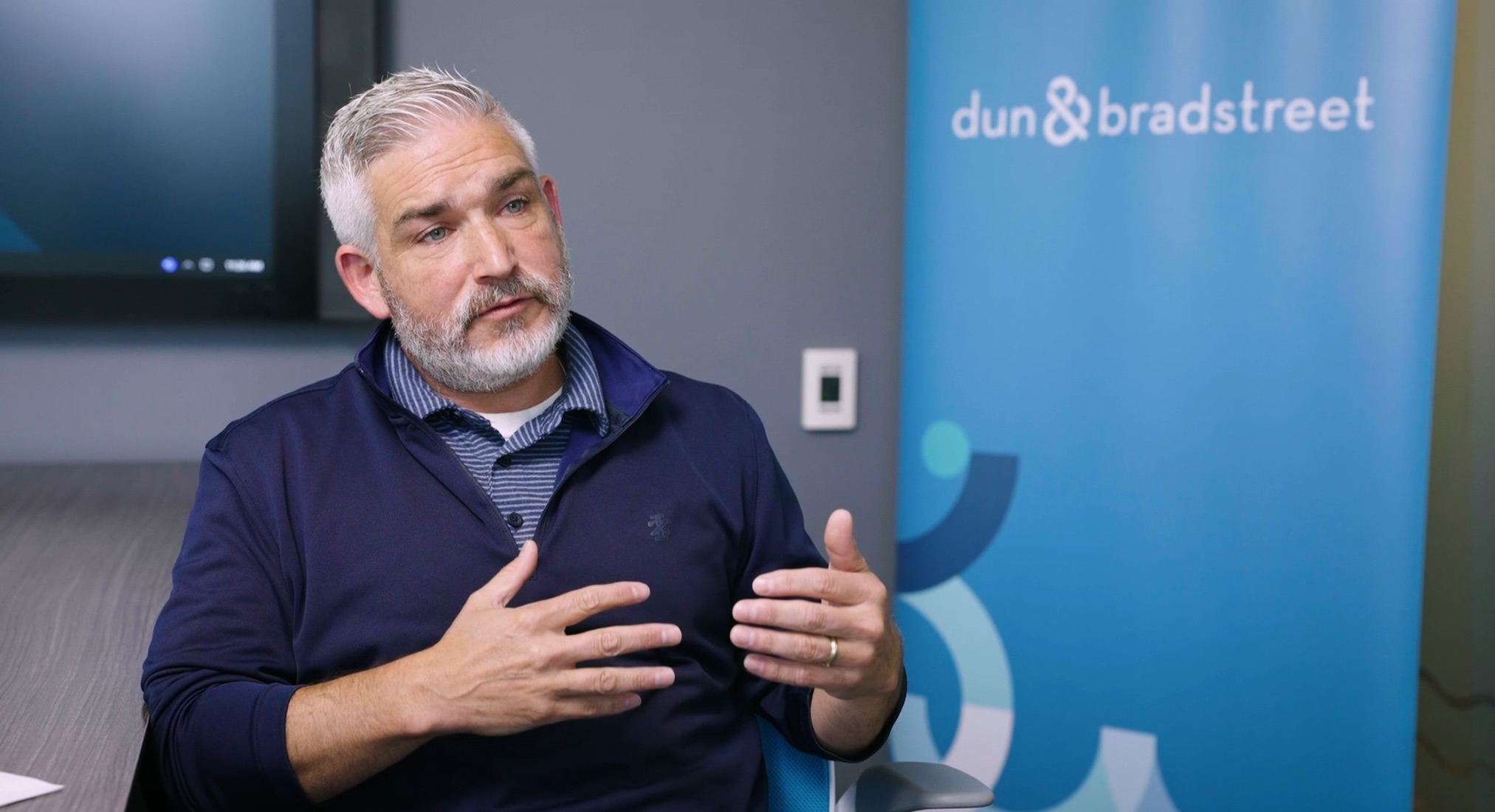
"LayerX Provides all the visibility and enforcement we need for last-mile user interactions with AI, SaaS & Web applications"
Jay DePaul,
,
Chief Cybersecurity & Technology Risk Officer



Seraphic applies a legacy RBI model to problems it wasn’t built to solve.
LayerX secures the modern web as it actually works today.