Discover and enforce security guardrails on all AI apps
Prevent leakage of sensitive data on AI tools
Restrict user access to unsanctioned AI tools or accounts
Protect against prompt injection, compliance violations, and more
Protect AI browsers against attack and exploitation
Threat Prevent data leakage across all web channels
Secure SaaS remote access by contractors and BYOD
Discover and secure corporate and personal SaaS identities
Detect and block risky browser extensions on any browser
Discover ‘shadow’ SaaS and enforce SaaS security controls
The LayerX Enterprise GenAI Security Report 2025 offers one-of-a-kind insights on GenAI security risks in organizations.
Partner program overview
Explore LayerX integrations
LayerX mission and leadership
Get updates about LayerX
Learn which events we attend
Apply for open positions
Submit your inquiry
Datasheets, whitepapers, case studies and more
All the terminology you need to know
The browser extensions hub
Latest research, trends and company news
#1 podcast for browser security
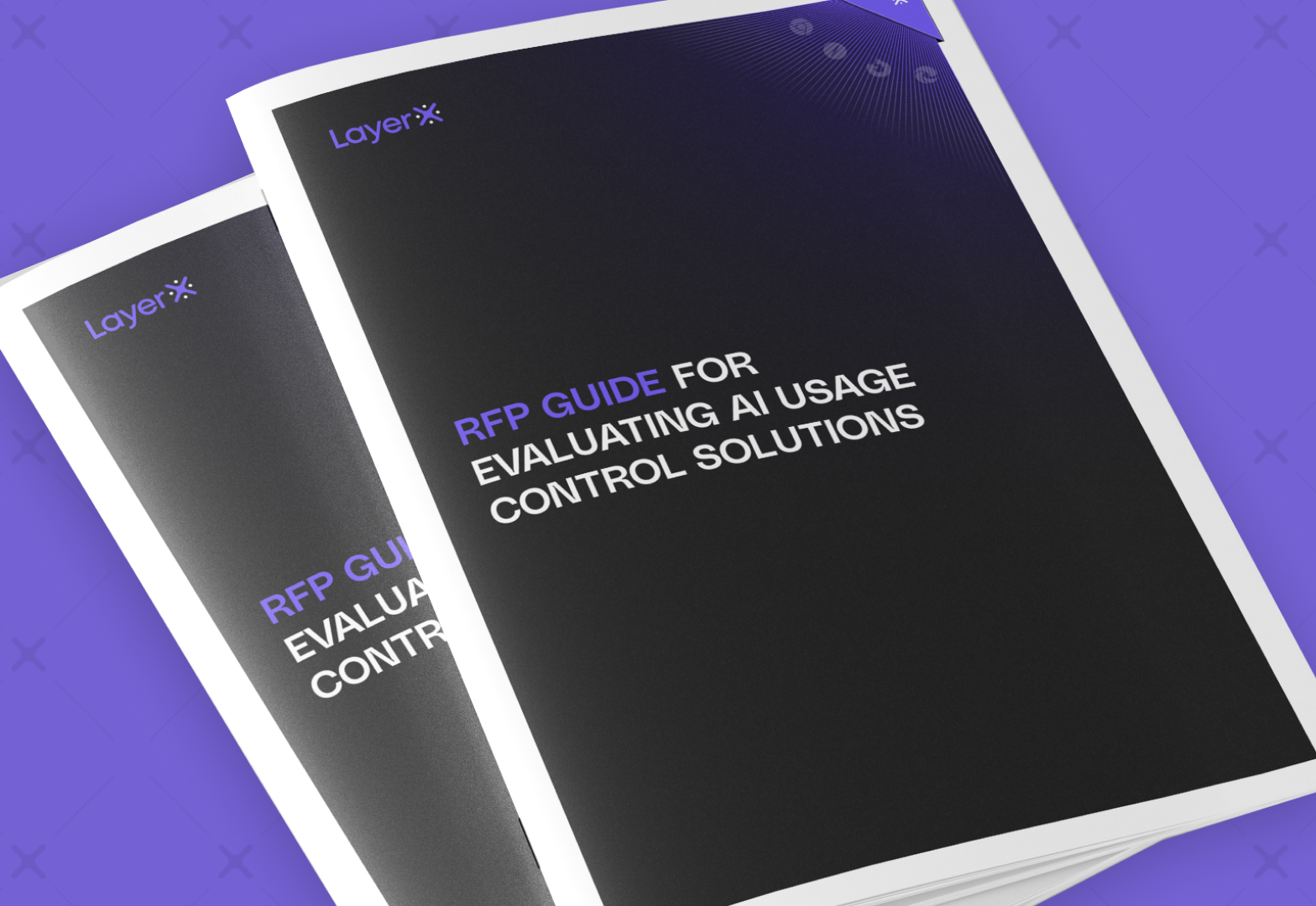
Many organizations are starting to budget for AI Usage Control projects, but aren’t sure what to look for, so use this RFP template to structure and prioritize AI governance requirements across key AI security areas.
Most security stacks cannot see what happens inside AI tools. Learn how to evaluate AI usage control solutions based on real enterprise risk
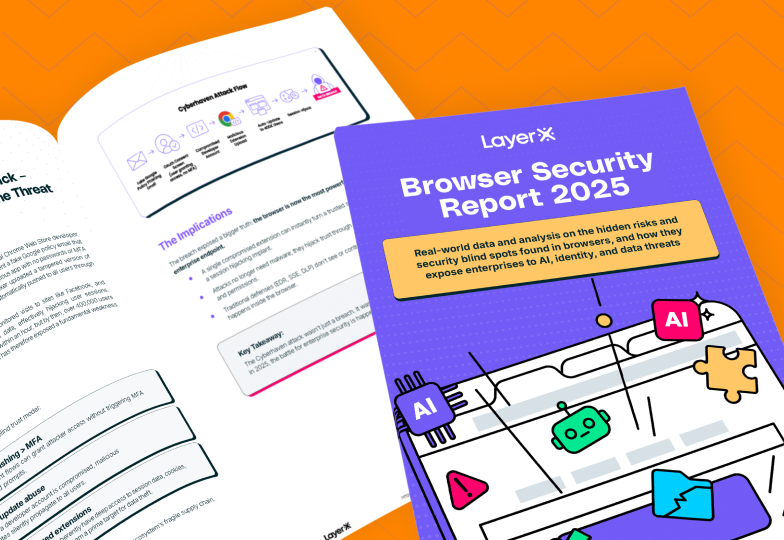
Combining both quantitative metrics collected from LayerX’s global enterprise customer base and a qualitative analysis of browser-related trends and breaches, the report reveals how AI, SaaS, and identity workflows have turned the browser into the new frontline of data risk that traditional tools like DLP, EDR, and SSE have no visibility into.
Real-World Insights From Enterprise Browser Sessions Revealing the Hidden Risk Surface Where AI, Identity, and Data Converge
This report, based on real enterprise browsing telemetry, reveals how sensitive data truly flows through AI and SaaS apps and why common security assumptions no longer hold.
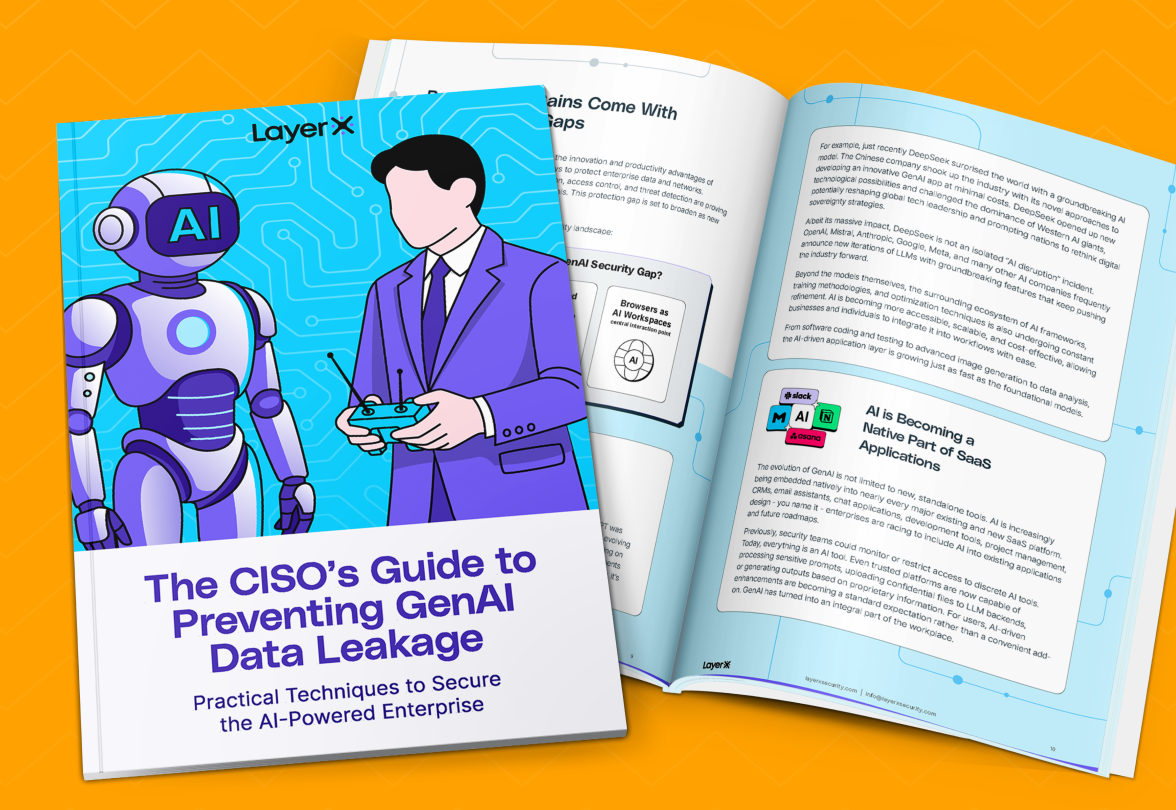
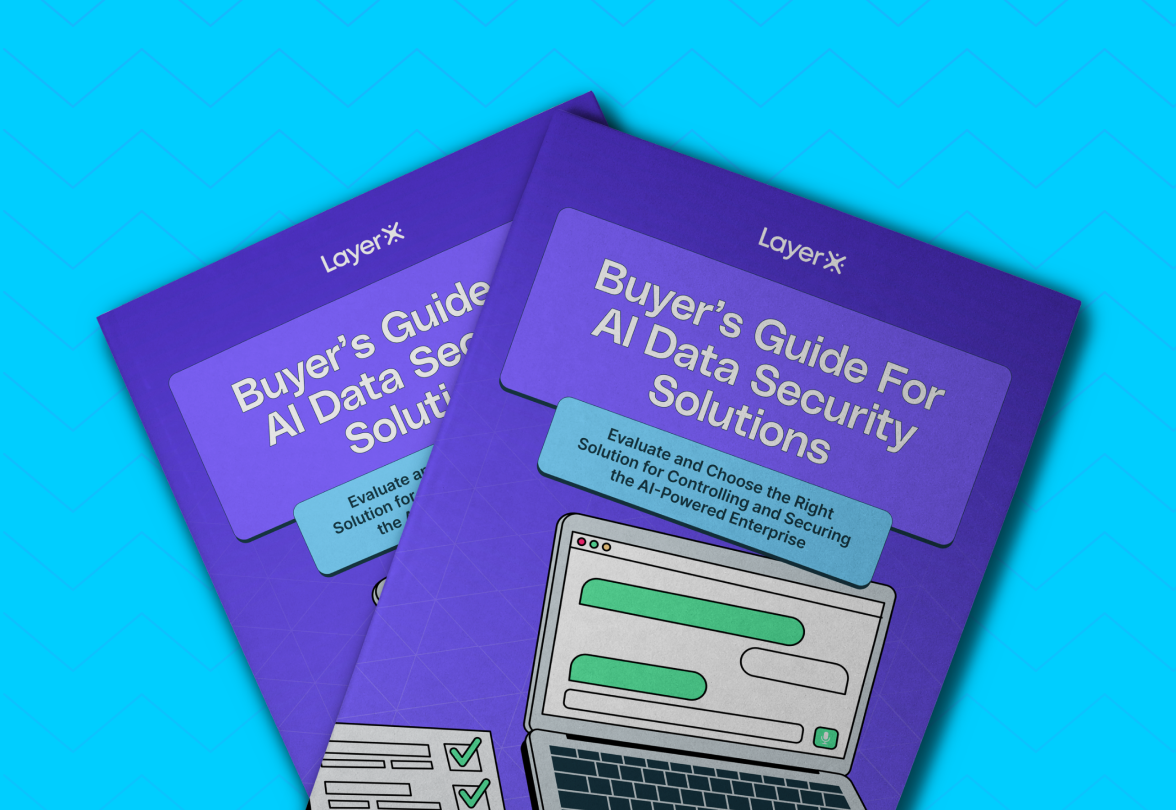
Learn why blocking ChatGPT or relying on legacy DLP fails, and use a practical checklist to evaluate vendors. Inside: GenAI risk surface, core pillars (Discovery, Monitoring, Enforcement), need for agentless browser-native solutions, and key operational factors like speed, management, and user experience.
A blow-by-blow comparison of the leading contenders in browser security and how they preform across critical use cases like GenAI data Security, remote access, and more
Francis Odum outlines a 3-stage maturity model to help security leaders secure the browser, the enterprise’s last mile of risk.
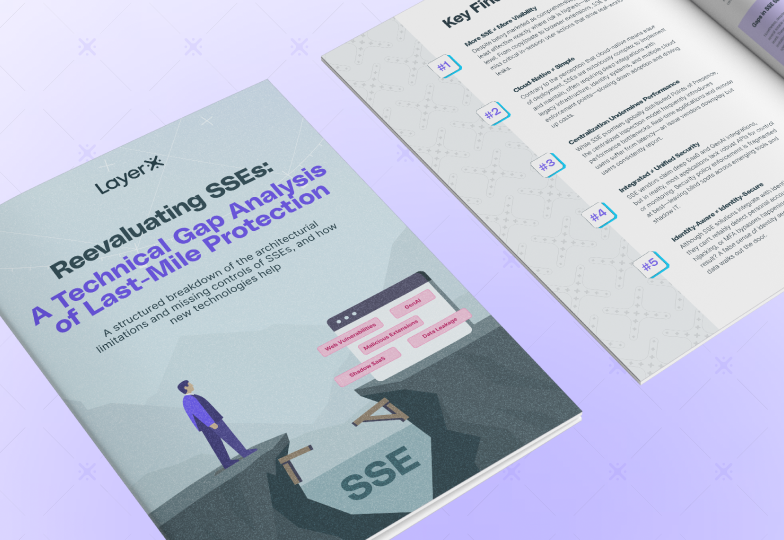
This whitepaper breaks down the surprising limitations of SSEs—and why many CISOs are rethinking their approach. Based on real-world deployment experiences and security use case failures, it uncovers the gaps conventional wisdom overlooks.
This new report brings unique findings covering extensions adoption, their risky permissions, extensions developer profiles, and more.